
Unlock the full potential of your garden by utilizing the nutrient-rich byproducts of your vermicomposting bin. In this guide, you will learn how to properly apply solid worm castings and nutrient-dense compost tea to help your plants thrive throughout the growing season.
The Power of Worm Castings Worm castings are essentially concentrated organic fertilizer produced by Eisenia fetida. These dark, crumbly pellets are packed with essential microbes and plant-available nutrients that improve soil structure and water retention. Unlike synthetic fertilizers, they provide a gentle, slow-release nutrient boost that won't burn your delicate seedlings.
- Sprinkle a thin layer, about 1/4 inch deep, around the base of indoor houseplants.
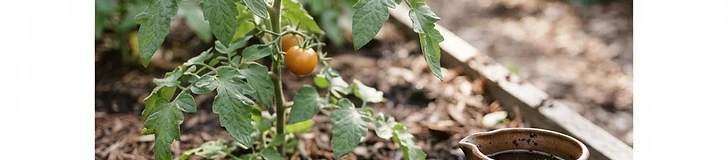
- Incorporate a handful into the planting hole when transplanting tomatoes or peppers in USDA zones 3 through 10.
- Use them as a top-dressing for vegetable beds every spring to revitalize tired soil.
Brewing Nutrient-Dense Compost Tea Compost tea is a liquid extract that delivers the beneficial bacteria and fungi from your castings directly to your plant roots and leaves. This liquid form allows for faster nutrient absorption, especially during the peak of summer when plants are working hard. To brew a simple batch:
- Fill a porous cloth bag with two cups of fresh castings.
- Suspend the bag in a 5-gallon bucket of dechlorinated water.
- Let it steep for 24 to 48 hours, stirring occasionally to aerate the water.
For the best results, use your homemade compost tea within four hours of brewing to ensure the beneficial aerobic microbes are still active and alive.