
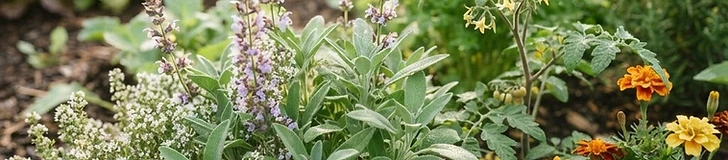
Unlock the secret to a thriving backyard garden by pairing your favorite vegetables with beneficial herbs. Companion planting is a natural method that uses the unique chemical properties and scents of herbs to protect your crops, save space, and increase your overall yield. Whether you are gardening in USDA Zones 3–9, these plant pairings make a significant difference in your soil and pest management.
Natural Pest Deterrents
Many herbs work as living pesticides by masking the scent of vegetable crops. Basil (Ocimum basilicum) is a classic companion for tomatoes. When planted within 12–18 inches of tomato plants, its strong aroma helps confuse hornworms and aphids. Similarly, Chives (Allium schoenoprasum) produce a sulfurous scent that deters carrot rust flies and aphids, making them an ideal border plant for your root vegetable beds.
Attracting Beneficial Pollinators
If your vegetable yields are low, you may lack proper pollination. Dill (Anethum graveolens) and Cilantro (Coriandrum sativum) are incredible magnets for predatory wasps and hoverflies, which feast on garden pests. Let these herbs bolt and flower in mid-summer; their tiny, nectar-rich blooms create a bustling hub of activity that benefits your nearby peppers, squash, and beans.
Pro tip: Always allow a few of your culinary herbs to go to flower instead of pinching them back early, as these blossoms provide essential habitat for the beneficial insects that keep your garden ecosystem in balance.
Improving Soil and Flavor
Certain herbs act as dynamic accumulators or structural support for your garden. Parsley (Petroselinum crispum) makes an excellent companion for asparagus, as it helps suppress weeds and improves the overall vigor of the bed. Furthermore, many gardeners swear that planting Summer Savory (Satureja hortensis) near beans significantly improves the flavor of the pods while repelling bean beetles.
Best Practices for Beginners
- Group herbs by water and sun needs; most require at least 6–8 hours of full sun.
- Do not crowd the root zones; allow at least 10 inches between the herb and the vegetable to ensure proper airflow.
- Observe your garden daily; if an herb starts to shade out a smaller vegetable, simply trim back the foliage.
Start small by adding one or two of these companion herbs to your garden this weekend for a healthier, more productive harvest.