
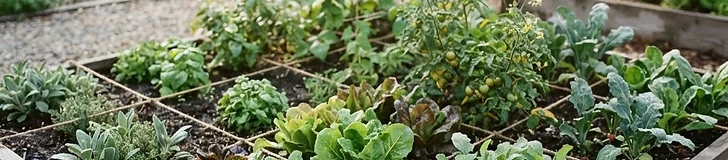
Maximizing a small garden requires shifting your perspective from traditional row spacing to an intensive grid system. By focusing on root zones rather than distance between paths, you can significantly increase your harvest volume in even a modest 4x4 foot bed.
Rethink Your Spacing
The core of the grid method is high-density planting. Most seed packets suggest spacing based on large-scale tractor farming, not home gardens. In your square-foot squares, you can often fit more than you think. For example, you can plant 16 Daucus carota (carrots) or 9 Spinacia oleracea (spinach) within a single 12x12 inch square. Focus on the mature size of the edible portion to ensure plants have enough room to grow without overcrowding.
Embrace Vertical Real Estate
If your plants want to climb, let them reach for the sky to free up surface area for low-growing crops. Vertical trellising allows you to grow vining vegetables like Cucumis sativus (cucumbers) or Phaseolus vulgaris (pole beans) along the north side of your bed. This prevents them from shading out your sun-loving peppers or tomatoes while allowing air circulation to reach the leaves, reducing the risk of fungal diseases like powdery mildew.
Master Succession Cycles
To ensure your garden never sits empty, use succession planting. As soon as you harvest a crop, immediately replant that square. If you finish your spring harvest of Raphanus sativus (radishes) in May, pull the roots and drop in a starter plant of heat-tolerant lettuce or a handful of bush bean seeds.
To keep your soil nutrient-dense for constant replanting, add a half-inch of finished compost to each square every time you harvest a crop, ensuring the soil remains light and fertile.
Optimize for Sunlight
Position your garden beds in areas that receive at least 6–8 hours of direct sunlight. Because dense planting can trap humidity, avoid watering the foliage late in the day. Aim to water the soil directly when temperatures are above 70°F to prevent evaporation. If you are gardening in USDA zones 7 or warmer, use a thin layer of organic mulch to keep the root zones cool during the height of the summer heat.
Consistent planning and immediate replanting are the keys to a truly abundant harvest in small spaces.