

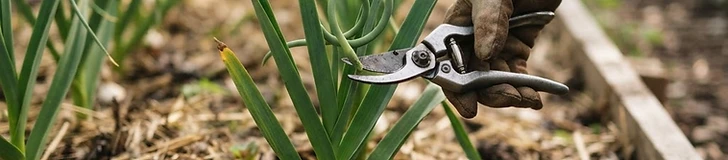
Unlock the secret to larger, heartier garlic bulbs by managing two critical late-season tasks: removing the scapes and maintaining soil temperature through consistent mulching. By mid-spring, these two practices ensure your plants focus all their energy underground where it matters most.
The Role of Scapes
If you grow Allium sativum (hardneck garlic), you will notice a curly green shoot emerging from the center of the plant in late spring or early summer. This is the scape, the garlic's flower stalk. While beautiful, allowing the scape to grow forces the plant to divert energy toward seed production rather than bulb expansion. Removing the scape as soon as it curls is a simple way to keep the plant focused on root development.
How to Harvest Scapes
- Wait until the scape forms a distinct loop or curl.
- Use sharp, clean snips to cut the stalk as close to the top of the foliage as possible.
- Do not compost these; they are delicious in stir-fries, pestos, or grilled as a seasonal treat.
Pro Tip: Always harvest scapes during the heat of the day when the plant tissue is slightly less turgid, which helps the wound dry out faster and prevents potential fungal entry points.
Benefits of Mulching
As the temperature climbs above 75°F, garlic enters a critical growth phase. A layer of organic mulch acts as an insulator, keeping the soil cool and moist. This prevents the garlic from maturing too early and ensures the bulb grows to its maximum potential size before you harvest in mid-summer. Use materials like shredded straw or dried leaves to create a 2- to 3-inch thick layer around your beds. This also suppresses weeds, which compete with your garlic for vital nutrients and water.
Monitoring Moisture
Even with mulch, keep an eye on your soil moisture. If you live in USDA zones 6 through 9, rainfall can be unpredictable in late spring. Ensure your garlic receives roughly 1 inch of water per week. Once the bottom few leaves start to brown, usually about three weeks before harvest, cut back on watering entirely to help the bulbs cure properly in the soil. A little attention to these details now pays off in a much heavier harvest come July.