
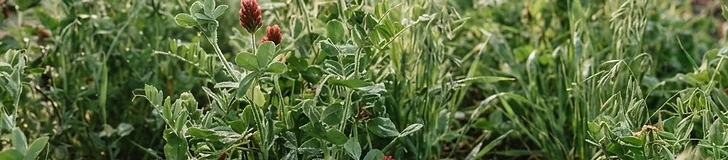
Cover cropping is one of the most effective ways to build a thriving garden ecosystem. Instead of leaving your beds bare between crops, planting a cover crop ensures your soil stays protected from erosion and nutrient loss while actively feeding the soil food web.
The Benefits of Living Soil
Using living mulch prevents heavy rain from compacting your topsoil and stops weeds from taking root in empty spaces. By maintaining soil structure, you ensure that vital microorganisms, fungi, and worms continue to thrive even when your vegetable rows are empty. In the US, depending on your USDA zone, this practice keeps your garden bed alive year-round.
Choosing Your Cover Crop
Different species offer different perks for your backyard garden:
- Winter Rye and Oats: Excellent at scavenging leftover nitrogen and suppressing early spring weeds.
- Crimson Clover: A beautiful legume that fixes nitrogen from the atmosphere, effectively fertilizing your soil naturally.
- Oilseed Radish: Features a deep taproot that breaks up compacted clay soil down to 12 inches or more.
Tip: Always terminate your cover crop before it goes to seed by cutting it at the soil line or using a tarp to smother it at least three weeks before planting your next cash crop.
When to Plant
Timing depends on your climate zone and your next planting date.
- Late Summer: Sow fast-growing crops like buckwheat if you have a short window before the first frost.
- Fall: Plant hardy grains or legumes after harvesting your tomatoes and peppers to overwinter.
- Early Spring: Use quick-growing greens just before soil temperatures reach 50°F to get a jump on the season.
Maintenance Basics
Most cover crops are low-maintenance. If rainfall is scarce, provide an occasional deep watering to help seeds germinate. Once established, they generally hold their own against pests and heat. When it is time to cycle them out, simply chop the biomass and leave it on the surface as a mulch, or lightly incorporate it into the top 2-3 inches of soil. Your garden will reward you with improved drainage and significantly higher yields in the following months.