
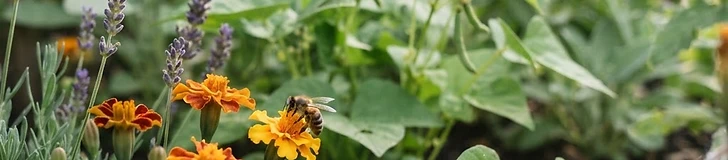
By strategically planting flowers among your vegetables, you create a vibrant ecosystem that draws in native bees, hoverflies, and predatory wasps. This guide helps you choose the right companions to turn your garden into a pollination powerhouse.
The Role of Pollinator Magnets
Incorporating nectar-rich blooms provides essential food sources for pollinators when vegetable crops aren't yet in flower. Native bees and syrphid flies are attracted to bright colors and open, accessible petals, which ensures they are nearby when your squash, cucumbers, and peppers start blooming. Aim to integrate one flower plant for every three to four feet of vegetable row to ensure consistent coverage throughout the season.
Top Flowers for Vegetable Gardens
Choosing the right species makes all the difference for your ecosystem. These varieties are hardy across most USDA zones:
- Calendula: Perfect for cool-season gardens, these bright orange flowers deter pests while hosting hoverflies.
- Sweet Alyssum: A low-growing ground cover that provides tiny, fragrant blooms favored by beneficial parasitic wasps.
- Zinnia: These heat-loving annuals act as massive landing pads for butterflies and bumblebees from mid-summer until the first frost.
- Dill and Fennel: While technically herbs, letting these bolt creates umbel-shaped flowers that attract predatory insects that control aphid populations.
Pro Tip: Always allow a portion of your herbs, like cilantro or parsley, to go to seed; the tiny, lace-like flowers are essentially super-food stations for the most efficient predatory wasps in your garden.
Timing and Spacing
For maximum impact, successional planting is key. Aim to start your pollinator seeds indoors 4–6 weeks before your last frost date. Once soil temperatures reach at least 60°F, transplant them into the garden. If you are gardening in containers, ensure the flowers are at least 12 inches away from the vegetable base to prevent crowding, which can reduce air circulation and increase the risk of powdery mildew.
Maintenance for Ongoing Support
Keep your pollinator patches thriving by practicing light deadheading throughout the summer. Removing spent blooms encourages the plant to direct energy into producing fresh flowers, ensuring your garden remains a hub of activity until the weather cools. Avoid using broad-spectrum insecticides, as these will inadvertently harm the very insects you are working so hard to attract.
Start small by tucking a few marigolds or alyssum into your vegetable beds today and watch as your garden's biodiversity flourishes this season.