
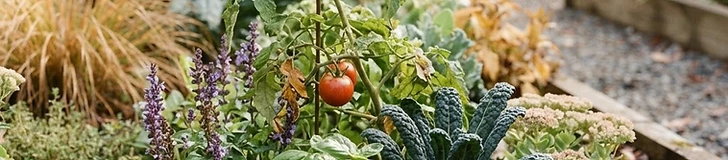
Transforming your traditional flower beds into a functional landscape, known as foodscaping, allows you to grow fresh produce without sacrificing aesthetics. By treating vegetables and herbs like ornamental plants, you can create a high-yielding, beautiful yard that thrives from spring through late fall.
Choose Your Crops
Start by selecting edibles with ornamental appeal. Many vegetables have stunning foliage, textures, or colors that hold their own against flowers. For example, Lacinato kale provides dark, crinkled blue-green drama, while Rainbow chard adds vibrant stalks of yellow, pink, and red. Herbs like Thyme or Oregano make excellent, fragrant groundcovers that tolerate light foot traffic near garden paths.
Assess Your Site
Most edible plants require at least 6 to 8 hours of direct sunlight daily to produce a harvest. Before planting, observe how the sun hits your beds throughout the day. If your soil temperature remains below 60°F in early spring, use raised beds or black landscape fabric to warm the earth faster for heat-loving crops like tomatoes and peppers.
Strategic Placement
Placement is all about layering and height. Use taller crops like Pole beans on trellises at the back of the bed, medium-height plants like Peppers or Eggplants in the center, and low-growing herbs or Lettuce along the front edges as living mulch. This layering creates depth and ensures all plants receive adequate airflow.
Pro Tip: Always interplant your edibles with pollinator-friendly flowers like Marigolds or Alyssum to deter pests naturally and ensure your crops get the pollination they need for a heavy harvest.
Maintain Soil Health
Since you are replacing thirsty annuals with high-nutrient-demanding vegetables, soil fertility is critical. Mix 2 to 3 inches of high-quality organic compost into your beds before planting. Because edibles are often harvested throughout the season, keep a slow-release organic fertilizer on hand to replenish nutrients after harvesting heavy feeders like squash or cabbage.
Managing Pests
When mixing food into ornamentals, avoid synthetic pesticides. Instead, focus on integrated pest management. Keep plants healthy with consistent moisture—aim for about 1 inch of water per week—and hand-pick larger insects like tomato hornworms. If you see recurring issues, consider using floating row covers early in the season to prevent insect damage before it begins.
Start small by tucking a few herbs or decorative leafy greens into your front garden borders this season to see how beautifully they integrate with your flowers.