
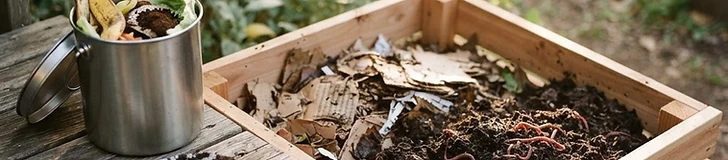
Why Vermicomposting? In the world of organic gardening, nothing beats the power of vermicompost. While traditional composting relies on microbes and heat over several months, vermicomposting uses red wiggler worms (Eisenia fetida) to accelerate the decomposition process. These tireless workers consume organic matter and excrete castings—a biologically active, nutrient-rich soil amendment that acts like a multivitamin for your plants. For home gardeners in the US, this is the most efficient way to turn food waste into garden gold in as little as 60 to 90 days.
Setting Up Your Worm Hotel To get started, you don't need a massive pile in your backyard. A simple, opaque plastic storage bin with a lid works perfectly. Drill small holes—about 1/8 inch in diameter—around the upper sides and lid for aeration, and a few in the bottom for drainage. Place the bin in a cool, dark location where temperatures stay between 55°F and 77°F. Whether you are in USDA Zone 6 or Zone 9, you can maintain these conditions in a garage, basement, or mudroom year-round.
Bedding: The Worms' Home and Food Your worms need more than just scraps; they need a comfortable place to live. Shredded non-glossy newspaper, cardboard strips, or dried autumn leaves make the best bedding. Moisten the bedding so it feels like a wrung-out sponge—it should be damp but not dripping. Fluff the material inside the bin to ensure air can circulate. Before adding your worms, let the bedding settle for a day or two. When you introduce your red wigglers, they will burrow down immediately to escape the light.
Feeding for Maximum Castings Red wigglers have small mouths, so they prefer soft, partially decomposed food. Chop your kitchen scraps into smaller pieces to speed up their digestion. Stick to fruit and vegetable peels, coffee grounds, and tea bags. Avoid citrus, onions, garlic, and oily or dairy products, as these can create odors and attract unwanted pests. Start with a small amount of food—about one-quarter of the bedding surface—and cover it with a layer of damp newspaper to keep it moist and hide it from fruit flies.
Harvesting Your Bounty As the worms consume the bedding and food, they will leave behind dark, crumbly castings. When the bin looks like fine, rich soil, it is time to harvest. The easiest method is to push all the material to one side of the bin and place fresh, moist bedding and a pile of fresh food on the other. Over the next week, the worms will migrate toward the fresh food, allowing you to scoop out the finished castings from the empty side without disturbing your colony.
Practical Tips
- Freeze your kitchen scraps before feeding them to the worms; freezing breaks down cell walls, making the food softer and easier for worms to consume quickly.
- Keep a spray bottle of water nearby to ensure the bedding moisture level remains constant throughout the seasons.
- Place a small amount of powdered eggshells into the bin once a month to provide grit for the worms and help buffer the pH level.
- Never feed your worms more than they can consume in three days; overfeeding causes the bin to heat up and go anaerobic, which can kill your colony.
- If the bin develops an earthy, pleasant smell, you are on the right track; if it smells like rotting garbage, stop feeding and add more shredded cardboard to restore balance.
Quick takeaway
Vermicomposting is the fastest, cleanest way to produce high-performance plant food from kitchen scraps right in your own home.