
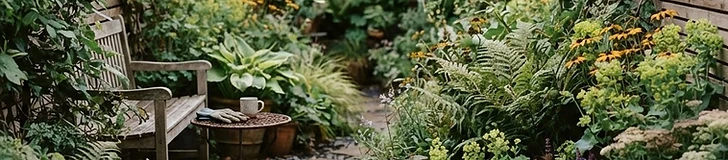
Small gardens offer a unique opportunity to focus on detail and intimacy. By using strategic design principles, you can turn a cramped area into a multifunctional outdoor room that feels expansive rather than restricted.
Utilize Vertical Surfaces
When ground space is limited, look up. Vertical gardening draws the eye upward, making the footprint feel secondary to the height of the space. Install trellises against fence lines or use wall-mounted planters to grow vining crops like Lathyrus odoratus (sweet peas) or trailing strawberries. By keeping foliage off the ground, you clear walkways and reduce physical clutter.
Create Layers of Depth
Avoid placing all your plants in a single straight line along the fence. Layering creates a sense of mystery and depth. Place taller plants, such as Miscanthus sinensis, at the back, medium shrubs in the middle, and low-growing groundcovers like Thymus serpyllum at the front. This staging mimics natural landscapes and forces the eye to travel through the garden, creating the perception of a much larger area.
Pro tip: Use cool-colored plants like lavender or blue-flowered salvia at the far edges of your garden to create an optical illusion that pushes the boundaries further away from your patio.
Select Reflective Materials
Incorporate hardscaping elements that bounce light rather than absorbing it. A light-colored gravel path or a mirror placed securely against a shaded wall can brighten dark corners and reflect greenery, effectively doubling the visual impact of your planting. Ensure your paths are at least 30 inches wide to maintain a comfortable flow.
Focus on Scale and Proportion
Resist the urge to pack in too many tiny ornaments. Large-scale focal points are more effective in small spaces. One dramatic oversized container or a single specimen tree, such as a Japanese maple (Acer palmatum), provides a clean aesthetic that prevents visual chaos. Remember that container gardening is vital for USDA zones prone to early frost, as you can move pots into a garage or shed if temperatures dip below 32°F.
Start your transformation by clearing the center of your space to create a distinct seating area, which establishes a clear destination for the eye.