
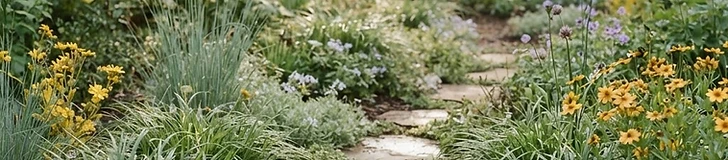
Transitioning away from a traditional high-maintenance turf lawn is one of the most effective ways to save water, reduce fertilizer runoff, and support local pollinators. By choosing groundcovers native to your specific USDA climate zone, you can create a beautiful landscape that thrives on natural rainfall after establishment.
Assess Your Site Conditions
Before selecting plants, evaluate how your space is used and what the environment dictates. Observe your yard throughout the day to determine your sun exposure and soil moisture levels. Most native alternatives fall into two categories: those that tolerate light foot traffic and those meant for ornamental, low-traffic borders.
Selecting Native Alternatives
Choosing the right species ensures success. For sunny areas, look for drought-tolerant perennials that hold soil in place.
- For cooler regions (Zones 3–6), Fragaria virginiana (Wild Strawberry) offers a lush green carpet and small, edible fruit.
- In warmer regions (Zones 7–10), Phyla nodiflora (Frogfruit) acts as a highly durable, nectar-rich substitute for grass.
- For shady corners, consider Carex pensylvanica (Pennsylvania Sedge), which provides a soft, grass-like texture without the need for constant mowing.
Pro Tip: When planting your new groundcover, space plants according to their mature width to avoid gaps where weeds can easily take hold.
Preparing the Soil
Success starts with site preparation. Do not simply plant over existing grass, as it will likely compete for nutrients.
- Use a sod cutter to remove existing turf or utilize the sheet-mulch method by covering the area with cardboard for 6–8 weeks.
- Amend the top 2–4 inches of soil with organic compost to improve water retention.
- Water consistently for the first growing season until the root systems are deep enough to sustain the plants during temperature spikes above 85°F.
Long-Term Maintenance
Once established, native landscapes require significantly less intervention than a conventional lawn. Focus your efforts on removing invasive weeds during the first year and applying a light layer of mulch until the plants reach their mature spread. By swapping out thirsty turf for regionally appropriate natives, you are building a resilient ecosystem that evolves with your climate rather than fighting against it.
Embrace the unique textures and seasonal colors of your local native plants to create a sustainable yard that rewards you with less work and more wildlife.