
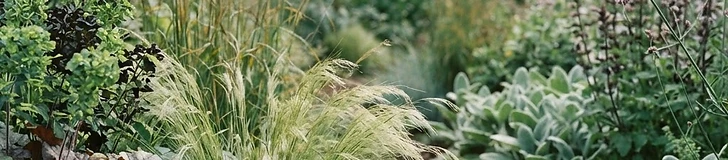
Great garden design is often mistaken for a focus on bright blooms, but professional designers prioritize texture to create depth and interest. By selecting plants based on how they feel and look, you can build a resilient garden that looks stunning even when flowers are not in season. This guide will help you arrange foliage and form to elevate your home landscape.
The Power of Foliage
Different leaf shapes and sizes create visual rhythm. Grouping plants with broad, bold leaves—like Hosta—next to finely textured, lace-like foliage, such as Ferns or Threadleaf Coreopsis, creates high contrast. In US zones 5 through 9, look for plants that offer variegated or silver tones, as these can brighten up shady corners where flowers might struggle to bloom.
Using Ornamental Grasses
Grasses introduce movement and sound to the garden. When a breeze hits, they bring the landscape to life. They also act as a structural bridge between bulky shrubs and delicate perennials. Consider these options for US climates:
- Miscanthus for vertical, architectural height (up to 6 feet).
- Festuca for low, mounded, blue-tinted texture (6 to 10 inches tall).
- Panicum for airy, fountain-like movement.
Pro Tip: Always place fine-textured plants like grasses where they can catch the setting sun to maximize their backlighting and glowing effect in your landscape.
Understanding Plant Form
Form refers to the overall shape of the plant. A well-designed garden balances different silhouettes to avoid a flat look. Think about these shapes when planning your beds:
- Columnar or upright shapes for vertical accents.
- Mounded or rounded shapes for ground-level soft texture.
- Spreading or trailing forms for softening edges near walkways.
Creating Successional Contrast
Combining plants with different growth rates and textures prevents your garden from feeling stagnant. Pair slow-growing, rigid shrubs like Boxwood with fast-growing, soft perennials to create a constant sense of change. Aim for at least three distinct leaf textures in every bed to ensure the space remains visually engaging from early spring until the first frost drops temperatures below 32°F.
Start small by replacing one high-maintenance flowering shrub with a plant chosen specifically for its interesting leaf shape or habit.