

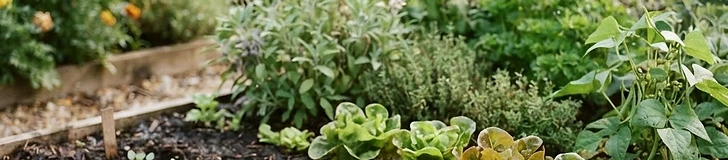
As the initial spring harvest fades, many gardeners leave their beds empty, but mid-summer is actually the perfect time to reset your garden for a continuous bounty. By practicing succession planting, you can ensure that your kitchen table remains stocked from July through the first autumn frosts.
The Logic of Replanting
Succession planting involves sowing seeds in small batches every two to three weeks rather than planting everything at once. This prevents the 'all-or-nothing' harvest where you have ten pounds of lettuce in one week and nothing thereafter. In zones 5 through 9, look for gaps in your garden after pulling bolting spring greens or early radishes and immediately introduce a new round of seeds.
Choosing Summer Heat Lovers
When planting in the peak of summer, select varieties that thrive in temperatures above 80°F. Focus on fast-growing crops that can reach maturity before the soil cools significantly. Good candidates include:
- Cucumis sativus (Bush cucumbers)
- Phaseolus vulgaris (Snap beans)
- Cucurbita pepo (Summer squash)
- Amaranthus tricolor (Summer spinach)
Managing Soil Moisture
Soil dries out quickly during the heat of July and August. To ensure germination, you must keep the seedbed consistently damp.
- Water the trench or hole thoroughly before sowing.
- Place seeds at the recommended depth, usually 0.5 to 1 inch.
- Cover with a light layer of compost to retain humidity.
- Shield seeds with a piece of cardboard or burlap until they sprout.
Pro-tip: If you are struggling with poor germination during a heatwave, try starting your seeds indoors in a cool, shaded area or under a light, transplanting them outside only once they have developed their first set of true leaves.
Timing for Autumn Transitions
As you head into late summer, begin transitioning toward fall crops. By mid-August in northern zones, you can direct-sow hardy greens like Lactuca sativa (lettuce) and Spinacia oleracea (spinach) that prefer the cooling soil of early autumn. Keeping your soil active prevents weed growth and maintains the beneficial microbial ecosystem you have worked so hard to build all season long.
Consistent effort in the garden now will reward you with a second major harvest that carries you all the way into the colder months.