
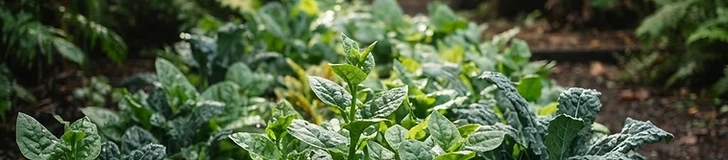
Growing salad greens in hot, humid climates like USDA zones 9 and 10 requires shifting your strategy from traditional spring planting to heat-managed gardening. By utilizing natural shade and heat-hardy cultivars, you can enjoy a consistent harvest even when temperatures soar above 85°F.
Selecting Heat-Tolerant Varieties The secret to success is choosing varieties that resist bolting. Instead of standard head lettuce, seek out heat-loving alternatives that thrive when it gets sticky outside.
- Malabar Spinach (Basella alba): A vigorous vine that loves high heat and humidity.
- Swiss Chard (Beta vulgaris): Varieties like 'Fordhook Giant' handle high temperatures much better than lettuce.
- New Zealand Spinach (Tetragonia tetragonioides): Not a true spinach, but it thrives in extreme heat where others wilt.
- Mustard Greens: Varieties like 'Southern Giant Curled' add a spicy kick and withstand southern summers.
Mastering Shade Strategies In regions with intense sun, shade is your best tool for temperature regulation. Direct sun exposure in peak summer often leads to bitter leaves and premature seeding.
- Use 30-40% shade cloth suspended 2 feet above your garden bed to lower soil temperature.
- Plant greens on the east side of taller crops like okra or trellised beans to provide afternoon protection.
- Utilize containers that can be moved into dappled shade during the hottest part of the day.
Always water your greens early in the morning at the base of the plant to keep the foliage dry and prevent fungal issues common in humid environments.
Soil and Moisture Management Proper moisture levels are critical when fighting heat. High humidity combined with moisture-retentive soil can lead to root rot, so prioritize drainage.
- Incorporate 2-3 inches of organic compost to improve soil structure.
- Apply a thin layer of light-colored mulch to keep roots cool, but keep it a few inches away from the stems to prevent crown rot.
- Check soil moisture daily, as containers and raised beds will dry out much faster in humid winds.