
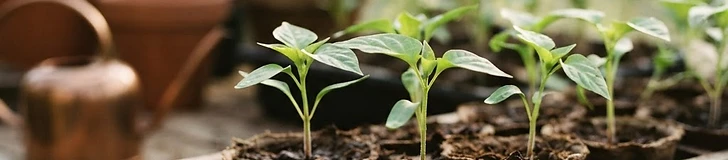
If you garden in cooler regions, the long maturation time of hot peppers like Capsicum chinense varieties often means the season ends just as your plants reach peak production. By starting your seeds indoors, you can bypass the wait and enjoy a bountiful harvest before the first autumn frost.
Understanding Timing
Most hot peppers require 80 to 100 days to reach maturity. To avoid stunted growth, you should aim to start your seeds 8 to 12 weeks before your area’s average last frost date. For gardeners in USDA zones 5 and 6, this usually means planting your seeds in early March, while those in warmer zones can begin as early as January.
Essential Supplies
To give your seedlings the best start, gather the right equipment before you begin:
- High-quality seed starting mix (avoid heavy garden soil which lacks proper drainage).
- Seedling trays with drainage holes or small starter pots.
- A heat mat to maintain consistent soil temperatures between 75°F and 85°F.
- A dedicated full-spectrum LED grow light.
Germination Secrets
Hot pepper seeds are notoriously slow and temperamental compared to tomatoes. They require consistent warmth to wake up. Without bottom heat, many varieties may take weeks to sprout or fail to germinate entirely. Keep your trays in a warm room and ensure the grow light is positioned just 2 to 3 inches above the tops of the seedlings to prevent them from becoming leggy.
Pro Tip: Keep a small fan running nearby to provide gentle airflow; this mimics natural breezes and encourages the development of thick, sturdy stems that will hold up better when moved outside.
Watering and Feeding
Once your seedlings emerge, maintain consistent moisture. The soil should feel like a wrung-out sponge—never waterlogged, but never bone-dry. Once the first set of true leaves appears, you can begin using a half-strength liquid fertilizer once every two weeks to provide the nutrients necessary for steady, healthy growth.
Preparing for the Garden
Once the risk of frost has passed and your local nighttime temperatures are consistently above 55°F, it is time to move your plants outdoors. Remember that young plants grown under lights are delicate; always spend at least one week gradually acclimating them to natural sunlight and wind before planting them directly into your garden beds or containers.
With these early-start techniques, you will be harvesting your own homegrown chiles while other gardeners are still waiting for their plants to bloom.