
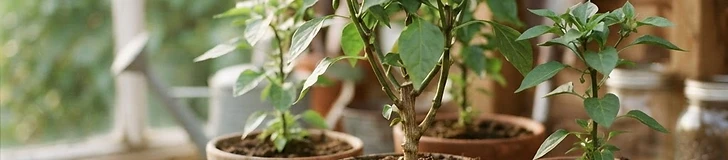
Many gardeners treat Capsicum plants as annuals, but they are actually tender perennials. By bringing your plants inside before temperatures drop below 50°F, you can give them a head start for next spring, resulting in a much larger, earlier harvest.
Timing and Selection
Success starts with picking the right candidates. Choose your healthiest, most productive plants while they are still in the garden. Ideally, begin the transition at least two weeks before your region's predicted first frost date. Look for plants free of pests like aphids or spider mites, as these will quickly multiply in the controlled environment of your home.
Pruning for Dormancy
To prepare your plants, you must prune them back significantly. This reduces the plant's metabolic needs while it rests indoors.
- Using clean, sharp shears, cut the main branches back to 6 to 8 inches above the soil line.
- Remove any remaining fruits or flowers to redirect energy toward root survival.
- Carefully dig the plant out of the soil, keeping as much of the root ball intact as possible.
Potting and Setup
Once pruned, transplant your peppers into smaller pots—typically 1 to 2 gallons—filled with fresh, sterile potting mix. Shake off the old garden soil to avoid bringing in hitchhiking soil-borne pests.
Keep your overwintered peppers in a cool, low-light area like a basement or garage; they are not trying to grow actively, but simply waiting to be woken up in the spring.
Winter Maintenance
During the winter months, your plants will enter a period of semi-dormancy. Your primary job is to monitor moisture levels carefully. The soil should never be bone-dry, but it should be kept only slightly moist. Watering too frequently in low light can lead to root rot. Check the soil once every two weeks; if the top 2 inches feel dry, add a small amount of water.
Waking Them Up
As spring approaches and day lengths increase, move your plants to a sunny window or under grow lights to stimulate new growth. Gradually acclimate them to the outdoors once temperatures remain consistently above 60°F. By following these steps, you will enjoy a massive jump-start on your pepper season next year with established root systems ready to produce.