
Creating nutrient-rich soil starts with understanding the balance between two essential ingredients: nitrogen-rich materials and carbon-rich materials. By managing your pile's ratio, you can accelerate the breakdown process and produce high-quality garden amendments in a fraction of the time. This guide helps you navigate the chemistry of your backyard bin. ## Understanding Greens and Browns To build a healthy pile, think of your ingredients in terms of nitrogen and carbon. Nitrogen-rich materials, known as "greens," fuel the microorganisms that heat your pile. Carbon-rich materials, or "browns," provide the structure and energy needed for these organisms to thrive. 1. Greens: Fresh grass clippings, fruit and vegetable scraps, coffee grounds, and fresh plant trimmings. 2. Browns: Dried leaves, straw, shredded cardboard, wood chips, and pine needles. ## Finding the Right Ratio For most backyard gardeners, a simple rule of thumb is to aim for a ratio of about 3 parts brown to 1 part green by volume. If your pile is too wet or smelly, add more browns to absorb moisture and increase aeration. If your pile is cold and showing no signs of decomposition, add more greens to jump-start the microbial activity. > Keep a bucket of shredded cardboard or dry leaves next to your kitchen scrap bin; whenever you add food waste, toss in two handfuls of dry material to keep your ratio on track. ## Optimal Pile Conditions Temperature and moisture play a crucial role in decomposition. A healthy, active pile should ideally reach between 130°F and 160°F. If you live in cooler USDA zones, you may notice your pile slows significantly during the winter months. To maintain consistent breakdown: - Turn your pile every two weeks to introduce oxygen. - Keep the contents damp, like a wrung-out sponge. - Keep piles at least 3 feet by 3 feet to help retain internal heat effectively. ## Troubleshooting Your Pile A balanced pile rarely attracts pests or produces unpleasant odors. If you notice flies or foul smells, you likely have too many greens and a lack of oxygen. By turning the pile and adding a thick layer of carbon-rich browns on top, you can quickly reset the biological balance. Start small, track your inputs, and watch as your kitchen and yard waste transforms into crumbly, dark garden gold.
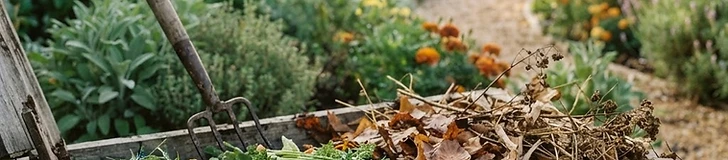 Composting
Balancing Your Compost: The Secrets of Carbon and Nitrogen
2 min read 378 words
Master the art of the perfect compost pile by balancing your greens and browns for faster, odor-free decomposition.
Watch & learn
Curated variety-trial and pest-ID videos related to this article.
How to Compost: The Ultimate Guide for Beginners
Open#Composting#Soil Health#Beginner Gardening#Sustainable Gardening