
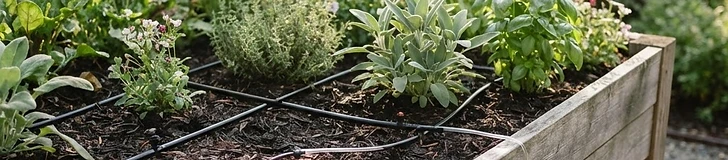
Gardening should be a joy, not a physical burden. By shifting from manual watering cans to automated systems, you can eliminate the need to lug heavy water around your landscape, keeping your garden flourishing even during the hottest USDA summer months. This guide explains how to set up efficient, low-effort irrigation that respects your joints and energy.
Drip Irrigation Basics A drip irrigation system delivers water directly to the soil at the root zone, preventing moisture loss from evaporation. For gardeners in zones 5 through 9, these systems are a game-changer. They use a network of flexible, small-diameter tubing connected to your outdoor faucet. You can install emitters that control the exact flow of water to your Solanum lycopersicum (tomatoes) or floral beds, ensuring plants get exactly what they need without you lifting a finger.
Self-Watering Containers For those who prefer patio gardening, self-watering containers are an excellent alternative. These planters feature a built-in reservoir at the bottom, allowing plants to draw water upward through a wicking mechanism.
- Purchase a container with a clear water level indicator to avoid over-filling.
- Ensure your potting mix is lightweight to facilitate proper wicking.
- Monitor the reservoir levels weekly during peak temperatures above 85°F.
Pro Tip: Use a digital hose timer to fully automate your drip lines; set it to run early in the morning for 15 minutes to maximize absorption and reduce fungal risks.