
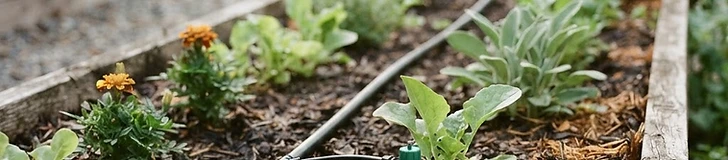
Installing a drip irrigation system saves time, conserves water, and keeps foliage dry to prevent fungal diseases. This guide covers the essential setup to deliver water directly to the root zones of your vegetable crops.
Planning Your Layout
First, measure your raised beds to determine how much 1/2-inch main line tubing and 1/4-inch distribution tubing you need. Map out the path from your spigot to the garden, keeping in mind that most kits require a pressure regulator to prevent your emitters from blowing off under high household water pressure.
Essential Components
Before you start, gather these supplies for a standard backyard setup:
- 1/2-inch poly tubing for the primary run.
- 1/4-inch tubing to reach individual plants.
- Pressure regulator and a backflow preventer.
- Adjustable drip emitters for different plant needs.
- Stakes to secure the tubing to the soil surface.
Assembly Steps
- Install the timer, backflow preventer, and pressure regulator onto your outdoor spigot.
- Lay the 1/2-inch main line alongside the edge of your raised bed.
- Punch holes into the main line using a specialized tool and insert the 1/4-inch connectors.
- Run the smaller tubing to each plant base and attach an emitter.
- Flush the line by running water for a minute before capping the ends to remove debris.
Pro tip: Always run your irrigation system early in the morning when temperatures are below 70°F to reduce evaporation and ensure deep moisture penetration before the heat of the day.
Managing Your System
Once installed, monitoring is key. Check for leaks at the connectors and adjust emitter flow rates based on your specific plant needs. For example, thirsty Solanum lycopersicum (tomatoes) may need a higher flow rate than herbs like Rosmarinus officinalis (rosemary). As seasons change, adjust your timer settings to account for lower evaporation rates in autumn or increased water demand during the peak heat of mid-summer.
With a properly dialed-in system, your garden will stay consistently hydrated, leading to stronger yields and significantly less time spent with a hose in hand.