
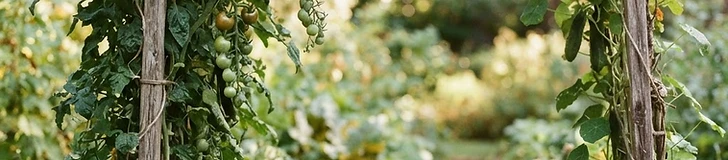
Vertical gardening with arches and pergolas allows you to maximize your square footage by growing crops upward while creating a comfortable microclimate underneath. By lifting plants off the ground, you improve airflow, reduce disease pressure, and make harvesting significantly easier for your back and knees.
Choosing the Right Structure
Your support structure must be durable enough to hold the weight of mature plants, which can become surprisingly heavy after a summer rain. For arches, cattle panels are a favorite among US gardeners due to their affordability and strength. When selecting materials, ensure they are galvanized or powder-coated to withstand the elements across multiple seasons in zones 3–9. Pergolas offer a more permanent aesthetic and are perfect for creating long, shaded tunnels that provide a welcome relief from the mid-summer heat.
Selecting Climbing Crops
Choosing the right vine varieties is essential for success on overhead supports. You want plants that produce fruit with a natural "pendulum" habit so they hang down, making them easy to spot and pick. Consider these productive choices:
- Cucumis sativus (Cucumbers): Choose slicing or snacking varieties for easier management.
- Phaseolus vulgaris (Pole Beans): High-yielding and perfect for creating dense, leafy walls.
- Luffa acutangula (Luffa Gourd): Their long, pendulous fruits thrive when hanging freely from an arch.
- Cucurbita pepo (Summer Squash): Select smaller, vining hybrids rather than heavy, sprawling varieties.
Pro-tip: If you are growing heavy fruits like melons or larger squashes on a pergola, use recycled nylon stockings or mesh produce bags to create simple slings that support the weight, preventing the stems from snapping before harvest.
Planting and Maintenance
Effective vertical management starts at the soil line. Plant your seeds or starts at the base of the structure once soil temperatures reach at least 65°F. As vines grow, gently weave them into the trellis mesh. Early in the season, use soft garden twine to train the main leader upward. As the plants reach the top, allow the fruiting lateral branches to cascade down. Ensure your structures are oriented north-to-south if possible, which allows sunlight to hit both sides of the arch throughout the day, preventing uneven growth and ensuring a consistent harvest of your favorite climbing edibles. Happy gardening!