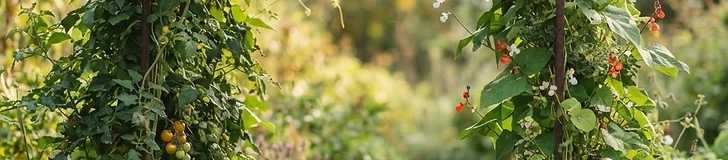
A garden walkway covered by a metal arch trellis laden with green cucumbers and leafy vines in a lush backyard garden.Vertical Gardening

Arch and Pergola Gardening: Creating Edible Shade

2 min read 378 words

Turn your garden walkways into high-yield, shaded retreats by training vining edibles to climb overhead.

Transforming your garden path into a vertical oasis allows you to maximize limited space while creating natural relief from the summer sun. By training climbing crops to grow over arches or pergolas, you invite a harvest that hangs within arm's reach, blending functional beauty with high-yield production.

Selecting the Right Structure When choosing a support structure, stability is paramount. Arches, often made from powder-coated steel or galvanized cattle panels, are excellent for smaller paths. Pergolas provide a more permanent, heavy-duty solution for larger gardens. Ensure your structure can support the weight of heavy fruits like melons or large gourds, which can reach 10 to 20 pounds at maturity.

Choosing Your Climbing Crops Successful vertical gardening relies on selecting the right vining edibles. Some crops naturally grasp with tendrils, while others need gentle guidance:

  • Cucumis sativus (Cucumbers): Perfect for arches; thin-skinned varieties grow straight and clean when hanging.
  • Phaseolus vulgaris (Pole Beans): Aggressive climbers that thrive in zones 3–10.
  • Luffa acutangula (Luffa Gourd): Dramatic foliage that creates dense, cool shade.
  • Cucurbita pepo (Summer Squash): Requires tying, as these are heavier and less inclined to wrap tendrils tightly.

Tip: When growing heavy fruits on an arch, use soft plant ties or strips of old cotton t-shirts to create a sling, supporting the weight of the fruit so it does not snap the main vine.

Training and Maintenance Once your plants reach the structure, active training is required. Gently weave emerging vines through the trellis mesh or over the rafters of your pergola. For best results, ensure your soil is enriched with 2–3 inches of high-quality compost before planting, as vertical plants work harder to push nutrients against gravity. If temperatures exceed 90°F, provide consistent irrigation at the base of the plant to prevent midday wilting.

Harvesting for Quality Growing crops overhead keeps them off the soil, significantly reducing the risk of fungal issues like powdery mildew and protecting your vegetables from ground-dwelling pests. Check your arch daily once fruiting begins; hanging vegetables often mature faster in the increased airflow, providing a delicious, clean harvest that is easy to spot and pick. Start small with one sturdy arch this season to experience how much vertical space can increase your total garden output.

Watch & learn

Curated variety-trial and pest-ID videos related to this article.

How to Grow Vegetables Vertically

Open
#Vertical Gardening#Trellis#Edible Landscaping#Small Space Gardening

More in Vertical Gardening

We use a couple of cookies to keep you signed in and remember your settings — no tracking ads, and we never sell your data. Read our privacy policy.