
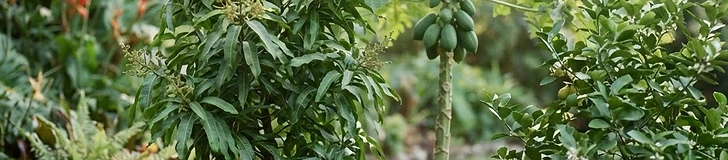
Transforming your backyard into a food forest is achievable by selecting the right fruit trees for your climate. In warmer regions—specifically USDA zones 9 through 11—you can successfully cultivate delicious, high-yield tropical crops that thrive in consistent warmth.
The Versatile Mango
Known as the king of fruits, Mangifera indica loves full sun and well-draining soil. These trees can grow quite large, so look for grafted 'dwarf' varieties if you have limited space. Plant them in a spot that receives at least 8 hours of direct sun daily. When temperatures drop below 40°F, protect young saplings with frost cloth, as they are sensitive to sudden cold snaps.
The Fast-Growing Papaya
If you want quick rewards, the Carica papaya is your best choice. These herbaceous plants grow rapidly and can fruit within 9 to 12 months from seed. They require excellent drainage to prevent root rot—a common issue in humid, rainy climates. To maximize your harvest, ensure you have both male and female plants, or choose a self-pollinating variety.
For better fruit production, apply a balanced organic fertilizer every two months during the growing season and maintain a consistent watering schedule to prevent premature fruit drop.
Reliable Citrus Selection
Citrus species, such as lemons, limes, and oranges, are staples for any home garden. Whether you choose a Meyer lemon or a Persian lime, these trees prefer slightly acidic soil and thrive in containers if your native soil is heavy clay.
- Choose a container at least 15 to 20 gallons in size.
- Use a high-quality potting mix enriched with compost.
- Place them in a location protected from harsh, drying winds.
Essential Care Tips
Keeping your trees healthy involves regular monitoring for common tropical pests. Keep an eye on undersides of leaves for aphids or scale insects. Use horticultural oil or neem oil as a first line of defense to keep your fruit chemical-free. Remember that tropical trees also benefit from a layer of wood chip mulch spread 2 to 3 inches thick, keeping it several inches away from the trunk to prevent decay.
With a bit of patience and consistent care, your backyard will provide fresh, sun-ripened fruit year after year.