
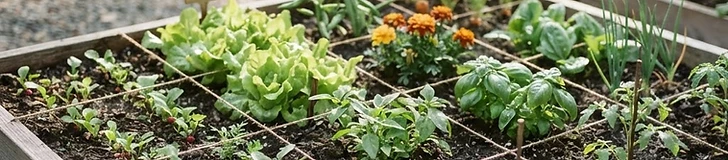
Square-foot gardening is the ultimate hack for backyard growers, allowing you to maximize yields in minimal space. By dividing a raised bed into 12-inch by 12-inch sections, you eliminate the need for traditional rows, reduce weeding, and use water more efficiently. This guide will help you set up your first productive grid.
Designing Your Grid A standard bed is typically 4 feet by 4 feet, which provides 16 individual planting squares. When choosing a location, prioritize a site that receives at least 6 to 8 hours of direct sunlight. Ensure your soil is a high-quality, well-draining mix—aim for a blend of compost, peat moss, and vermiculite to keep it loose and nutrient-dense for your high-density planting.
Mastering Spacing One of the most important aspects of this method is understanding planting density. Because your plants are neighbors, they create a living mulch that shades out weeds. Follow these general spacing rules for your squares:
- Large plants (like tomatoes or peppers): 1 plant per square.
- Medium plants (like basil or chard): 4 plants per square.
- Small plants (like carrots or onions): 16 plants per square.
Tip: Always label your grid lines with string or permanent dividers to ensure you keep your crop spacing consistent throughout the season.