
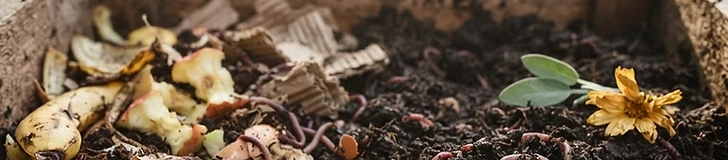
Keeping a healthy worm bin requires balancing your inputs to provide a steady, safe food supply for Eisenia fetida, the red wiggler. In this guide, you will learn the essential do's and don'ts of worm nutrition to ensure your bin stays productive year-round.
The Green and Brown Balance
Successful vermicomposting relies on a mixture of Nitrogen-rich greens and Carbon-rich browns. Aim for a ratio where roughly 60% of the bin volume is carbon and 40% is nitrogen. Greens are your kitchen scraps, while browns include shredded newspaper, untreated cardboard, and dried leaves. By layering these, you prevent odors and maintain the 55°F to 77°F temperature range worms prefer.
Safe Foods for Your Bin
Stick to raw, plant-based scraps to keep the environment stable. Ideal foods include:
- Vegetable trimmings, such as carrot peels and cucumber ends.
- Fruit scraps, excluding excessive citrus which can be too acidic.
- Used coffee grounds and paper filters, which are favorites among red wigglers.
- Crushed eggshells, which provide grit for the worms' gizzards and help regulate pH levels.
Pro tip: Always bury fresh food at least 2 to 3 inches beneath the surface of the bedding to prevent attracting fruit flies or other unwanted pests into your kitchen or garden area.
Foods to Strictly Avoid
Some items can crash your bin ecosystem or attract pests. Avoid adding these items entirely:
- Meat, bones, and dairy products, as they rot and create foul odors.
- Oily or greasy foods, which coat the worms' skin and inhibit their ability to breathe.
- Excessive amounts of onions, garlic, or spicy peppers, which can irritate the worms.
- Pet waste or diseased plant matter, which may introduce pathogens into your compost.
Managing Feeding Habits
Do not overfeed your worms. As a rule of thumb, only add new food once the previous batch is mostly consumed. If you notice food sitting for more than a week, pause feeding for a few days to allow the population to catch up. Monitor the bin's moisture level; it should feel like a wrung-out sponge, never soggy. By observing these simple guidelines, you will create a nutrient-dense fertilizer ready for your garden beds.